Understanding the Impact of Urban Green Spaces
Urban green spaces play a crucial role in enhancing the quality of life for residents in bustling cities across the United States. This article explores how these areas influence community behavior, health, and environmental sustainability.
The Importance of Urban Green Spaces
Urban green spaces, such as parks, gardens, and green rooftops, contribute significantly to city landscapes. According to research by the National Recreation and Park Association, access to green spaces can lead to a 10-15% increase in community well-being, as they provide residents with areas for recreation, relaxation, and social interaction.
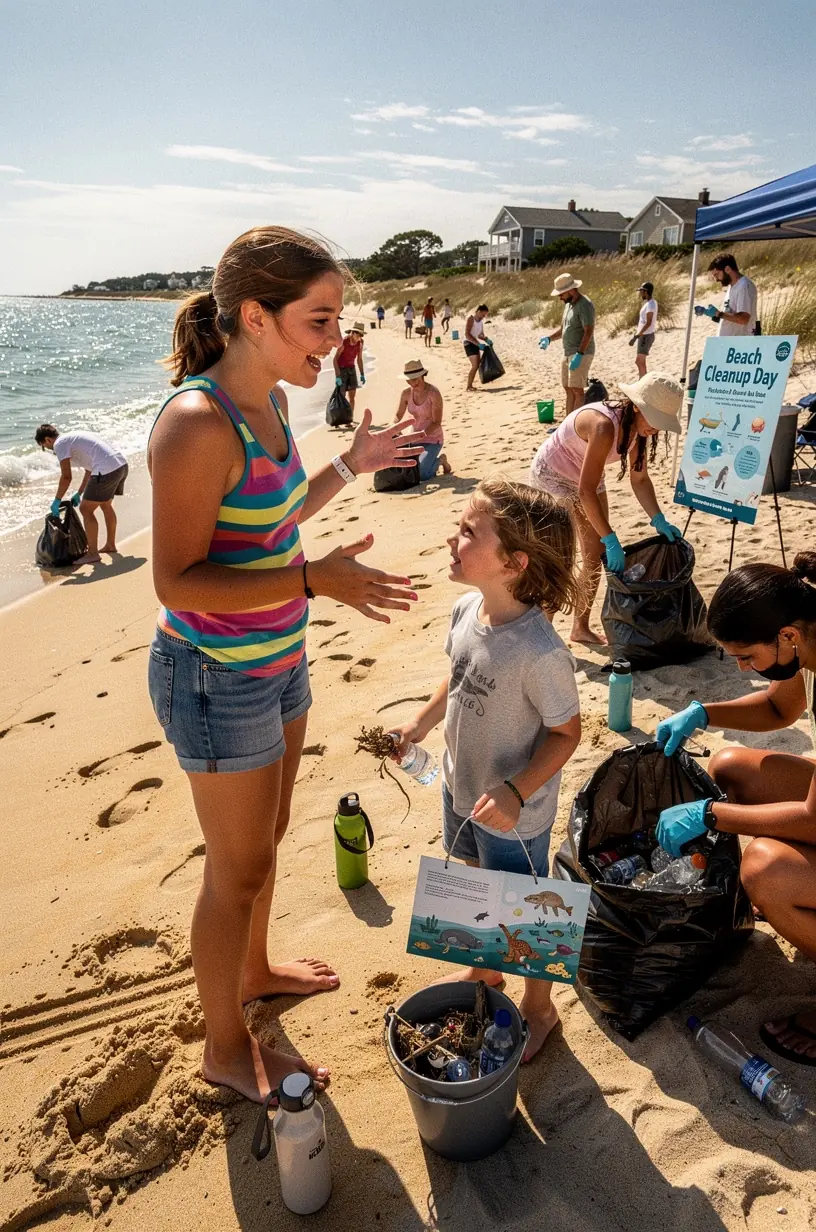
"Green spaces are essential for urban environments, contributing to both physical and mental health." - Urban Planning Expert
Health Benefits
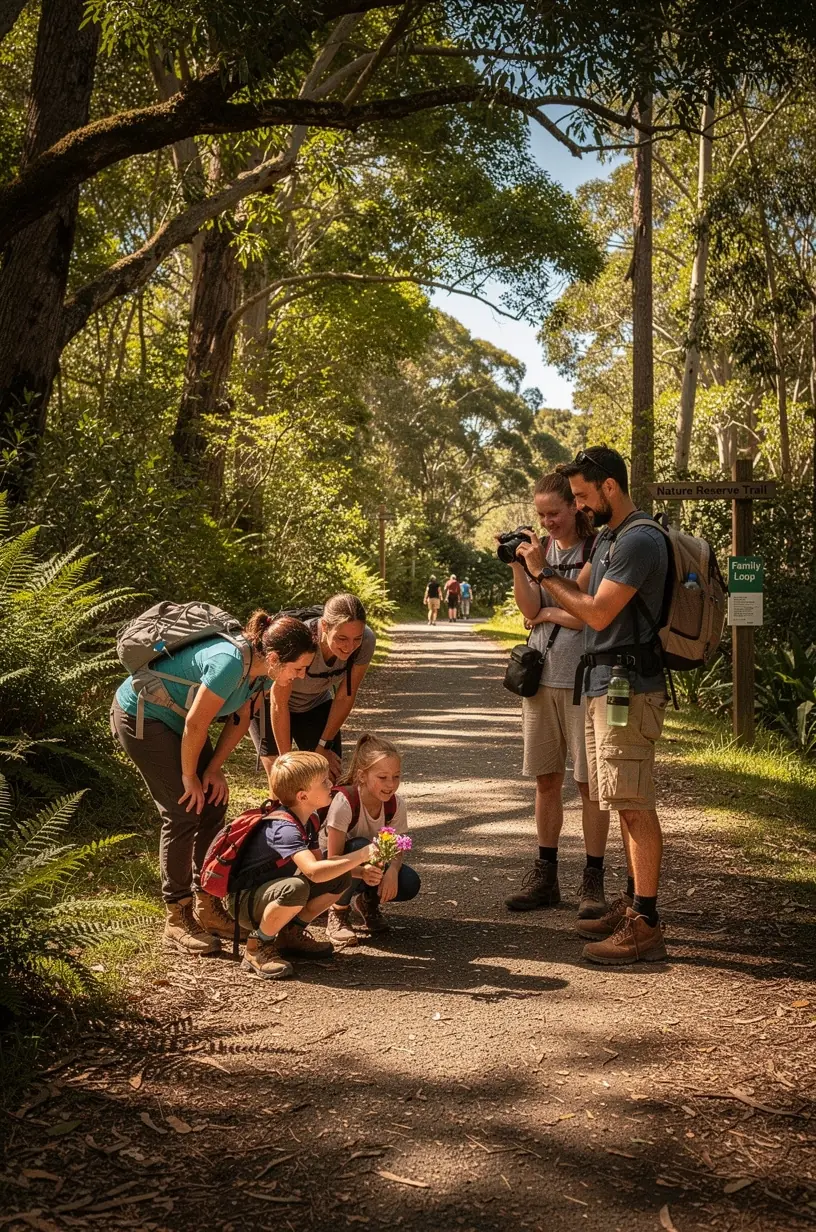
Numerous studies suggest that spending time in green spaces can reduce stress levels and improve overall mental health. For instance, a study published in the Journal of Environmental Psychology found that individuals who engage with nature experience lower stress and improved moods.
- Physical Activity: Green spaces encourage physical activity, which is vital for maintaining a healthy lifestyle.
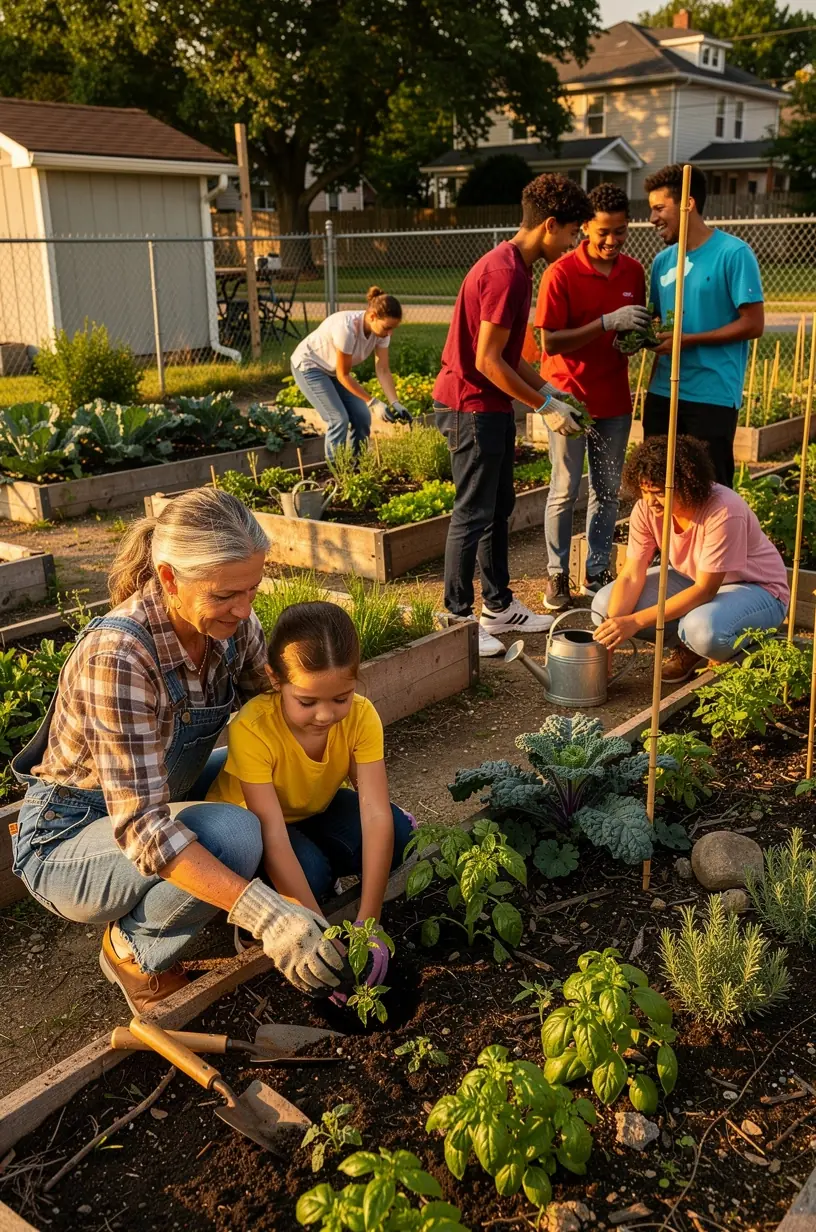
- Social Cohesion: Parks often serve as gathering places, fostering social interactions and community ties.
- Environmental Impact: Urban greenery helps reduce air pollution and combat urban heat, promoting a healthier environment.
Community Engagement and Behavioral Shifts
Experts recommend that cities prioritize the development and maintenance of green spaces to cultivate community engagement. Research indicates that accessible parks often lead to increased community events and activities, encouraging residents to participate more actively in their neighborhoods.
Moreover, the presence of green spaces can instill a sense of pride among community members, fostering a culture of stewardship where residents take an active role in caring for their surroundings.
Challenges and Considerations
While the benefits of urban green spaces are clear, challenges remain. Maintaining these areas requires consistent funding and community involvement. Cities often face budget constraints, which can hinder the development of new parks or the upkeep of existing ones. Typically, creating effective green spaces requires collaboration between city planners, government officials, and community members to ensure they meet the needs of the public.
Conclusion
Urban green spaces are more than just aesthetic additions to city life; they are essential for enhancing community health, fostering social connections, and promoting environmental sustainability. As cities continue to grow, it is vital for stakeholders to recognize the value of these spaces and work collaboratively to ensure they thrive for future generations. By doing so, cities can create more livable environments that benefit all residents.
Learn More