Understanding the Evolution of Neighborhood Gatherings
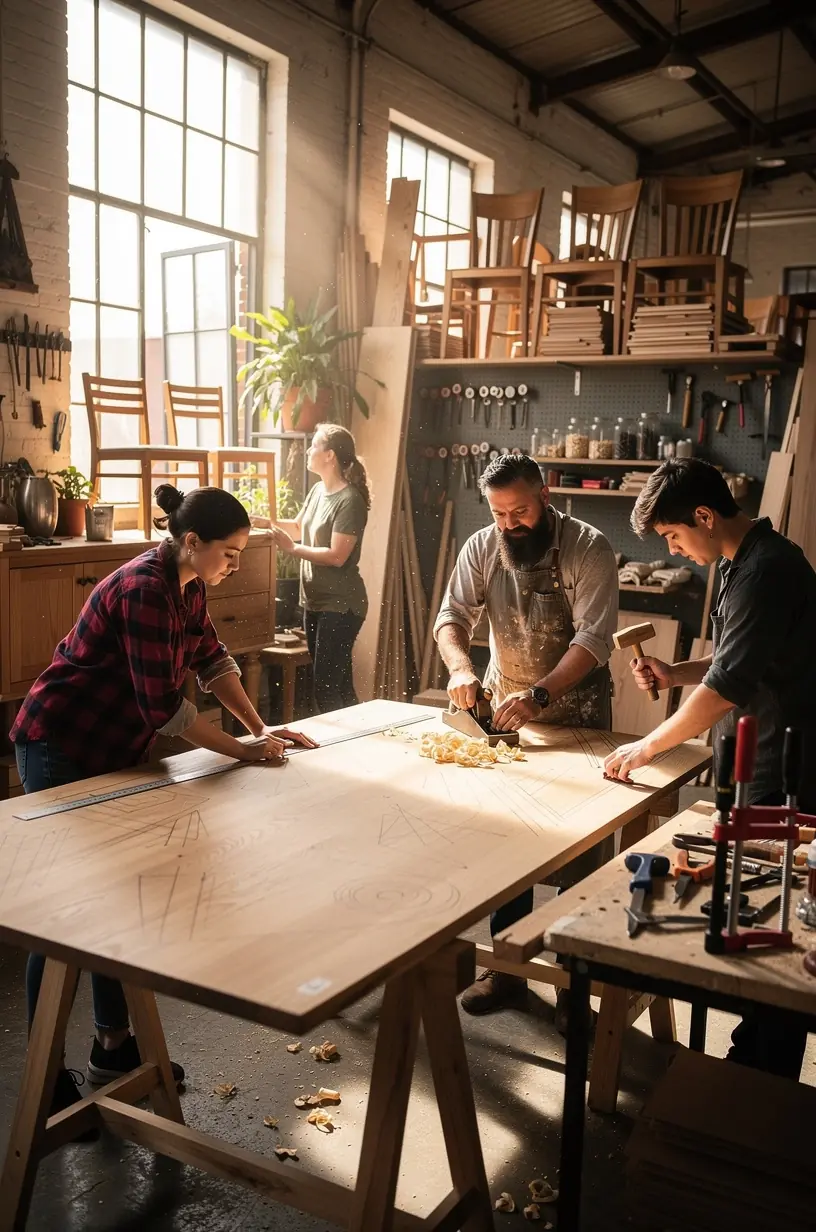
Neighborhood gatherings have long been a staple of community life, serving as a way for residents to connect, share resources, and foster relationships. As society changes, so too do these gatherings, reflecting shifts in lifestyles and community behaviors.
The Historical Context
Traditionally, neighborhood gatherings often centered around community events such as block parties or neighborhood watch meetings. According to research by community development experts, these gatherings foster a sense of belonging and community trust, which is crucial for social cohesion. Many neighborhoods in the US have historically relied on these informal meetings to build relationships and address local issues.
Modern Shifts in Neighborhood Gatherings
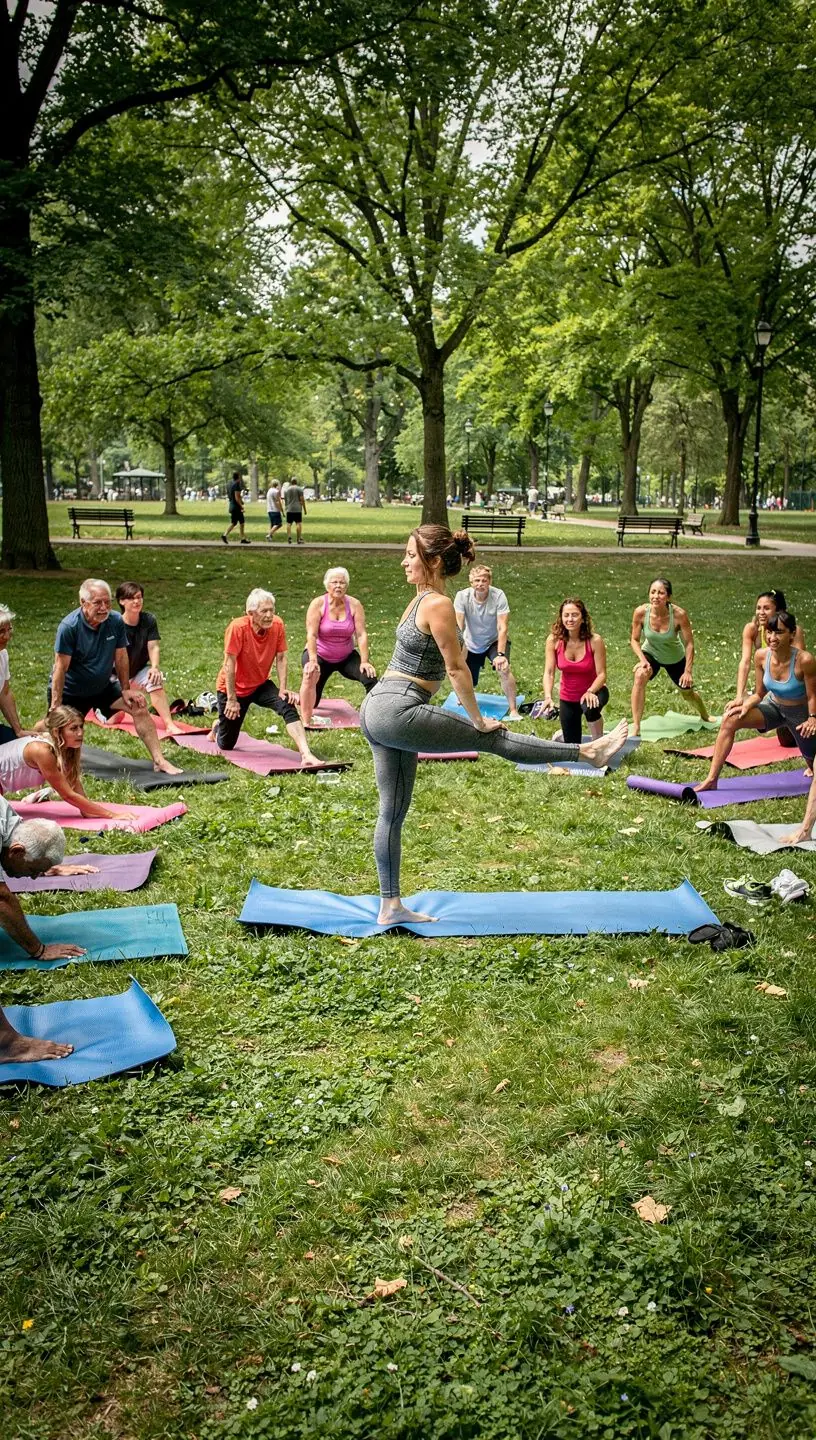
In recent years, the nature of neighborhood gatherings has evolved significantly. Several factors contribute to this transformation:
- Technology: The rise of social media platforms allows neighbors to connect virtually, often leading to a decline in traditional in-person gatherings.
- Urbanization: As cities grow, residential patterns change. Many new residents in urban areas may prioritize different forms of social interaction, seeking community through digital channels rather than physical meetups.
- Health Concerns: The recent pandemic has altered the landscape of community gatherings, with many people now more cautious about in-person interactions. Research indicates that community health guidelines significantly influence how and when neighbors gather.
"A sense of community is critical in urban settings, but it is evolving with the changing dynamics of society." - Community Development Expert
Creating Meaningful Gatherings Today
To create impactful neighborhood gatherings today, many community leaders recommend a few best practices:
- Hybrid Models: Consider organizing events that allow for both in-person and virtual participation. This can improve attendance and inclusivity, accommodating those who may prefer or need to engage from home.
- Themed Events: Tailoring gatherings around specific interests—such as food, arts, or local history—can attract diverse participants and foster deeper connections among attendees.
- Regular Scheduling: Establishing a consistent schedule for gatherings, whether weekly or monthly, creates anticipation and encourages more residents to take part over time.
Acknowledge the Challenges
It’s essential to recognize that organizing neighborhood gatherings can come with challenges:
- Many residents may have varying levels of commitment or availability, making it essential to be flexible in planning.
- Communication barriers can arise, especially in diverse neighborhoods. Ensuring information is accessible and inclusive is vital.
- Time constraints and differing priorities can hinder participation, which may require creative solutions to engage community members effectively.
Conclusion
Neighborhood gatherings continue to play a vital role in fostering community spirit, albeit in evolving forms. Understanding the historical context and modern shifts can help community leaders and residents alike create gatherings that resonate with today’s social landscape. By embracing technology, focusing on inclusivity, and acknowledging the challenges, communities can cultivate meaningful connections that enhance local life.